
Nichary Pongsomboon
Co-Founder & Business Development, Creative Director
Piyanut Kittivoraphongkij
Co-Founder & Creative Director
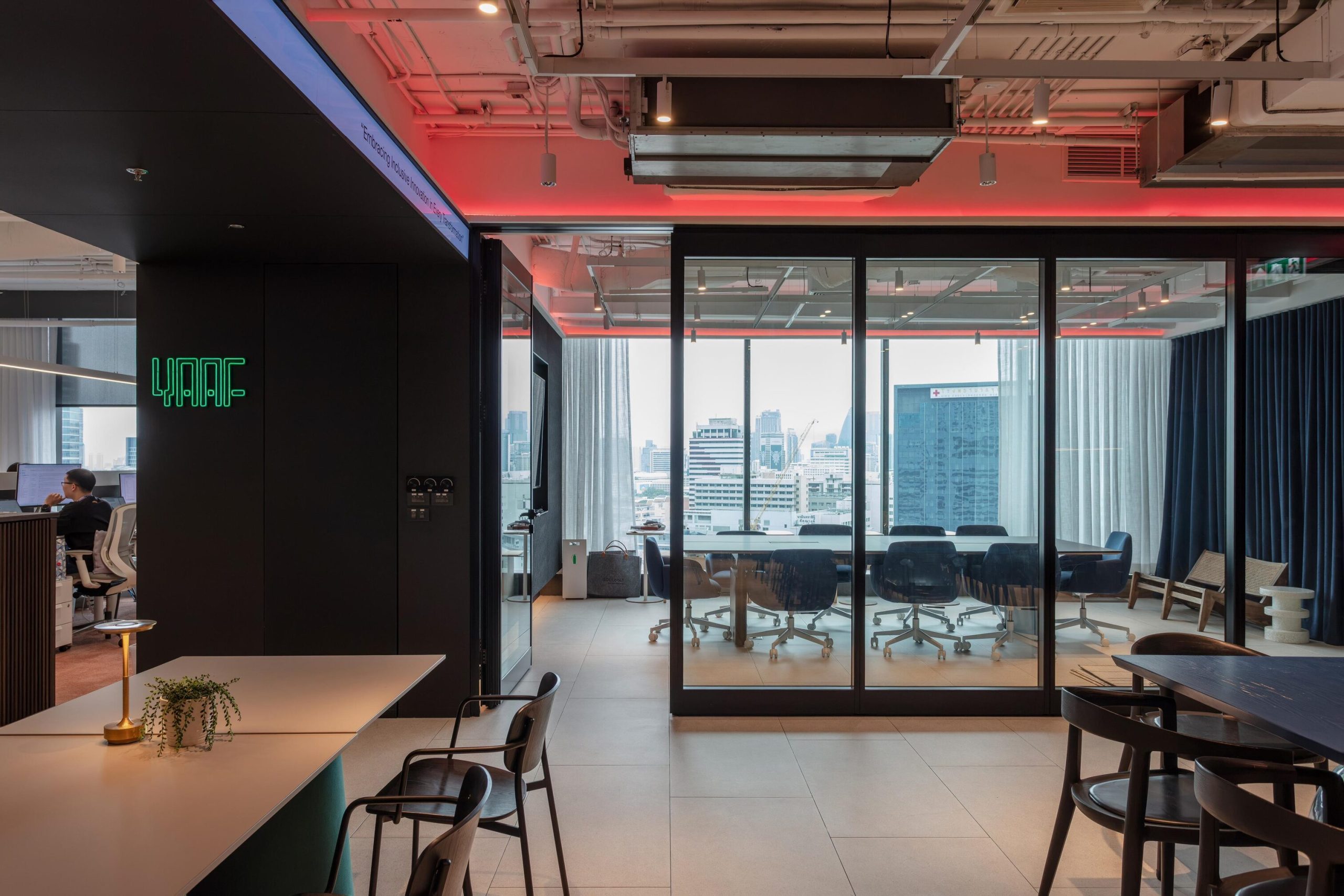
YAAF Design is a creative design studio that explores the intersection of architecture, art, and contemporary design. With a thoughtful approach to form, material, and space, the studio creates distinctive works that balance aesthetics with functionality.
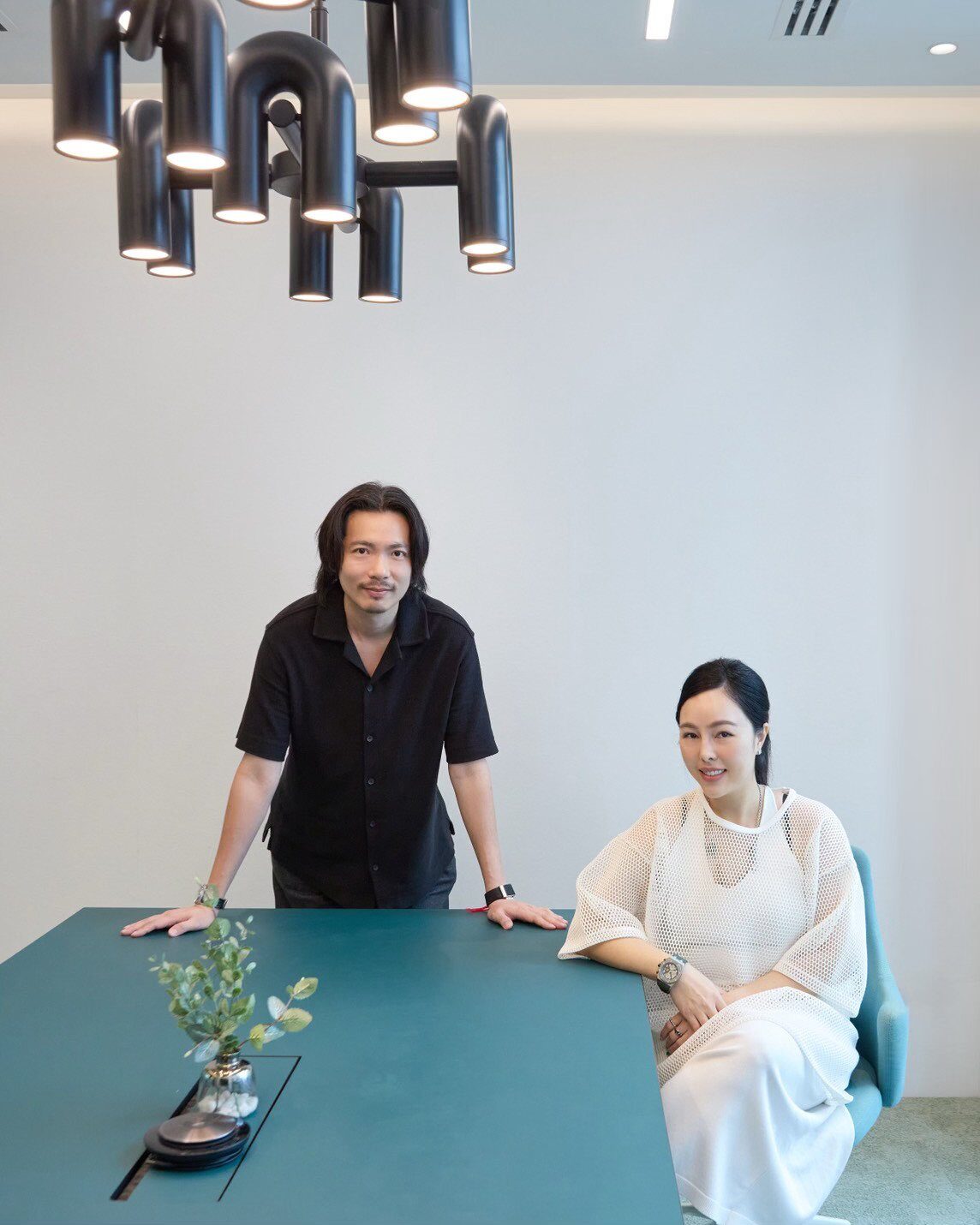
Nichary Pongsomboon
Co-Founder & Business Development, Creative Director
Piyanut Kittivoraphongkij
Co-Founder & Creative Director
The way we work is changing fast, and the workplace has to keep up.
It can no longer be just a well-designed space that serves a set of functions. It needs to respond to how people work, how they feel,
and what makes their everyday lives better.
For YAAF DESIGN, a studio specializing in workplace design, these questions are at the heart of every project. Founded by Nichary Pongsomboon and Piyanut Kittivoraphongkij, the studio looks beyond layouts and furniture to explore the connections between people, company culture, materials, and the way a space actually works. For the two co-founders, designing a workplace is an ongoing process
of experimentation, shaped by how people and organizations work
“We’re interested in workplace design because it has so much to do with the psychology of the people who use the space. For us, a workplace is much more than desks and workstations. We’re not just interior designers trying to make a space look good. We have to think through the needs of everyone who comes here to work and interact.
“With every project, we try to work with both the users and the client from the beginning. We want to learn together and understand the space we’re creating, then push its potential as far as we can. Of course, there are always organizational policies and other constraints to deal with, but we still try to see how far we can take the design and make the space work better,” Piyanut explains.
For YAAF DESIGN, bringing ideas to life also means getting hands-on with materials and fabrication. The studio experiments with different materials and techniques alongside its own production team, building up practical knowledge and specialized craftsmanship along the way.
Nichary points out that working closely with their craftspeople helps the design team understand materials more deeply, from how they behave to how they can be used to their full potential and last longer. Since the studio handles both design and construction, the relationship between designers and craftspeople is especially important. Each side learns from the other, making the process a continuous exchange rather than a simple handoff from design to production.
“We want everyone on the team to get better at what they do and grow together. Having our own production facility gives everyone more opportunities to learn and experiment, while keeping our creative ideas grounded in what can actually be made,” she says.
With projects moving quickly and timelines often tight, having their own production facility also allows the team to test ideas and develop solutions without losing momentum. It’s a practical advantage in a field where workplaces need to adapt to changing needs rather than follow a fixed formula.
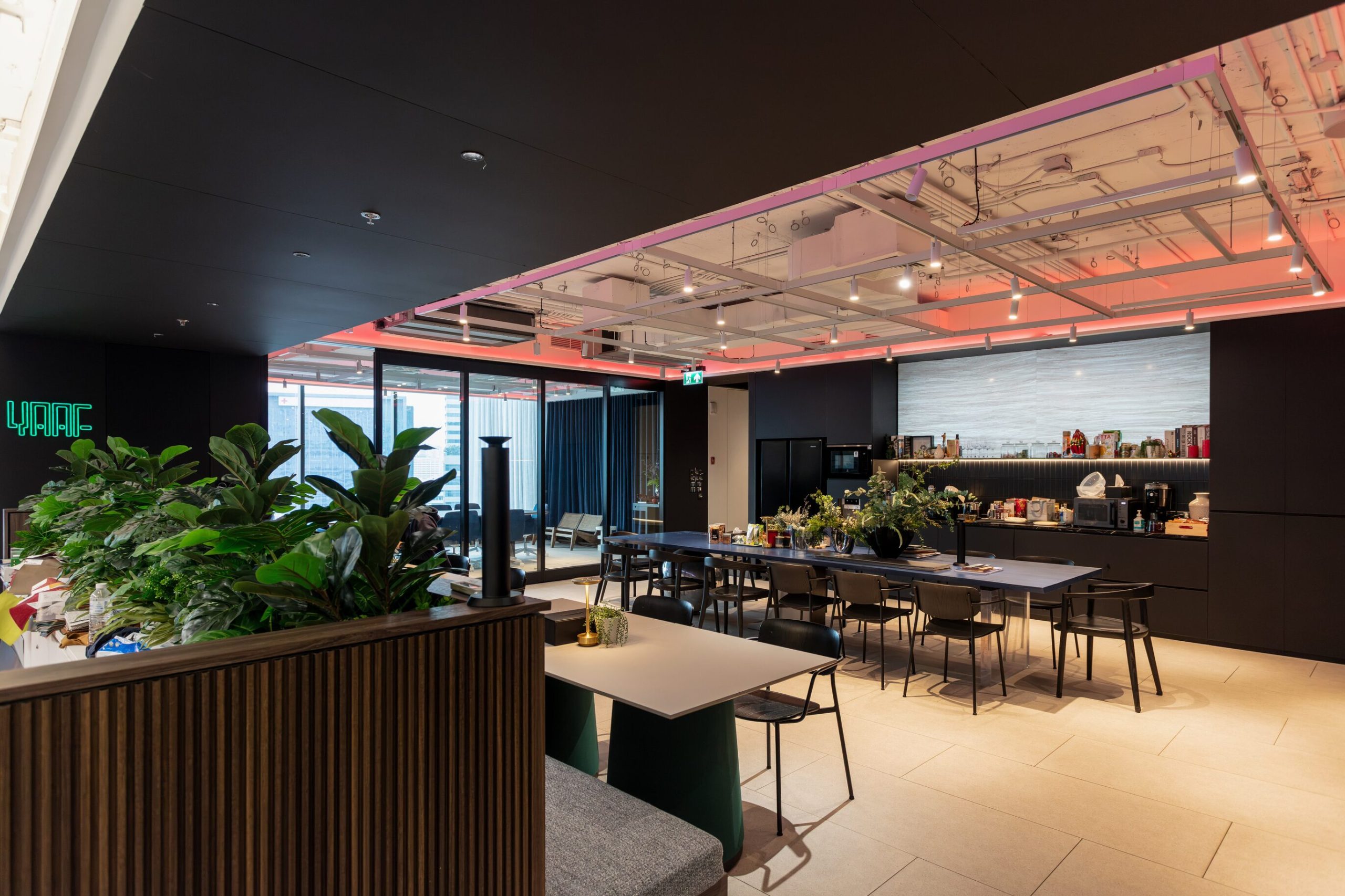
For YAAF DESIGN, workplace design is also closely tied to business strategy. A good workplace needs to make sense not only for the people using it but also for the organization behind it. That means understanding how a company operates, how its culture shapes everyday interactions, and how the space can respond to what’s happening right now.
The studio’s work with Grab offers a good example. Following the COVID-19 pandemic, when working from anywhere became part of everyday life, Grab wanted to encourage employees to return to its Singapore office. The challenge was to create a workplace people would actually want to come to, rather than simply giving them a reason to show up.
What sounded like a straightforward design brief led to a bigger question: if the way people work has changed, what does a workplace really need to be? Which spaces and facilities are essential, and which ones no longer serve a purpose?
“Working with Grab has helped us define our approach as a culture-based workplace. We look at the cultures of individuals, the organization, and its teams, and how these layers of culture interact. This is a bit different from the Western concept of an activity-based workplace (ABW), because what works for one organization may not work for another. You can’t simply take the activities and setup of one workplace and apply them to a completely different company culture.
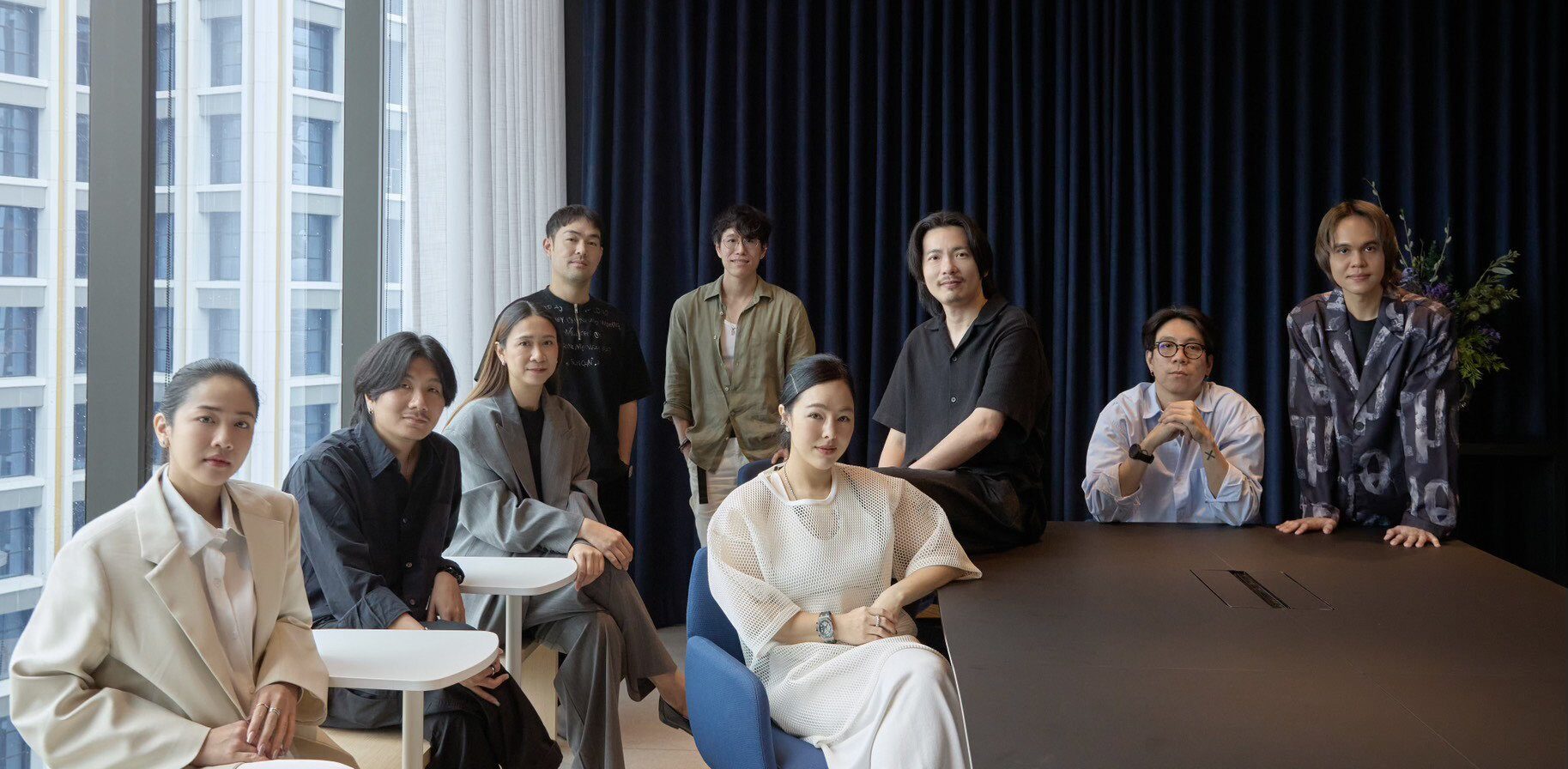
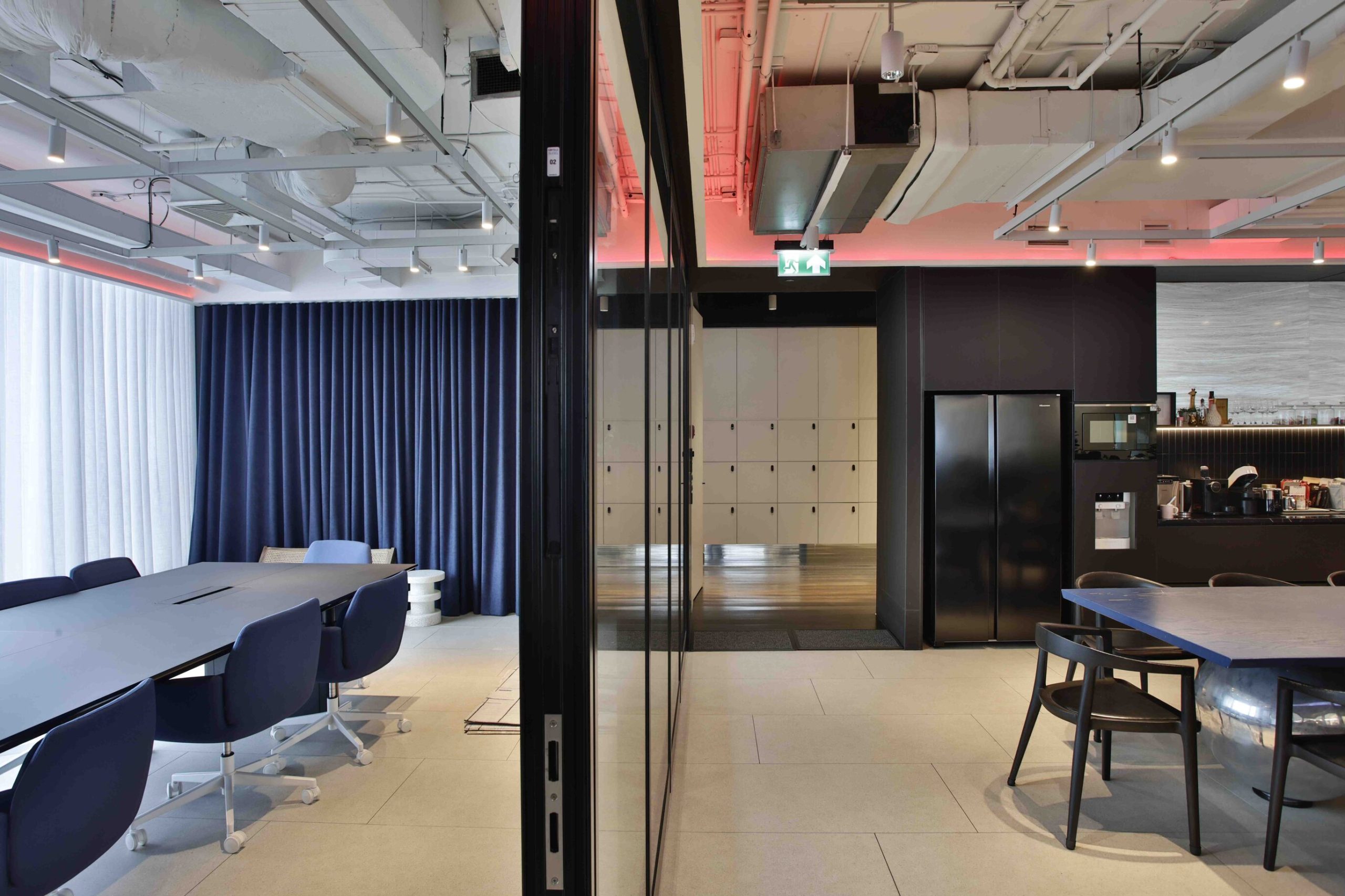
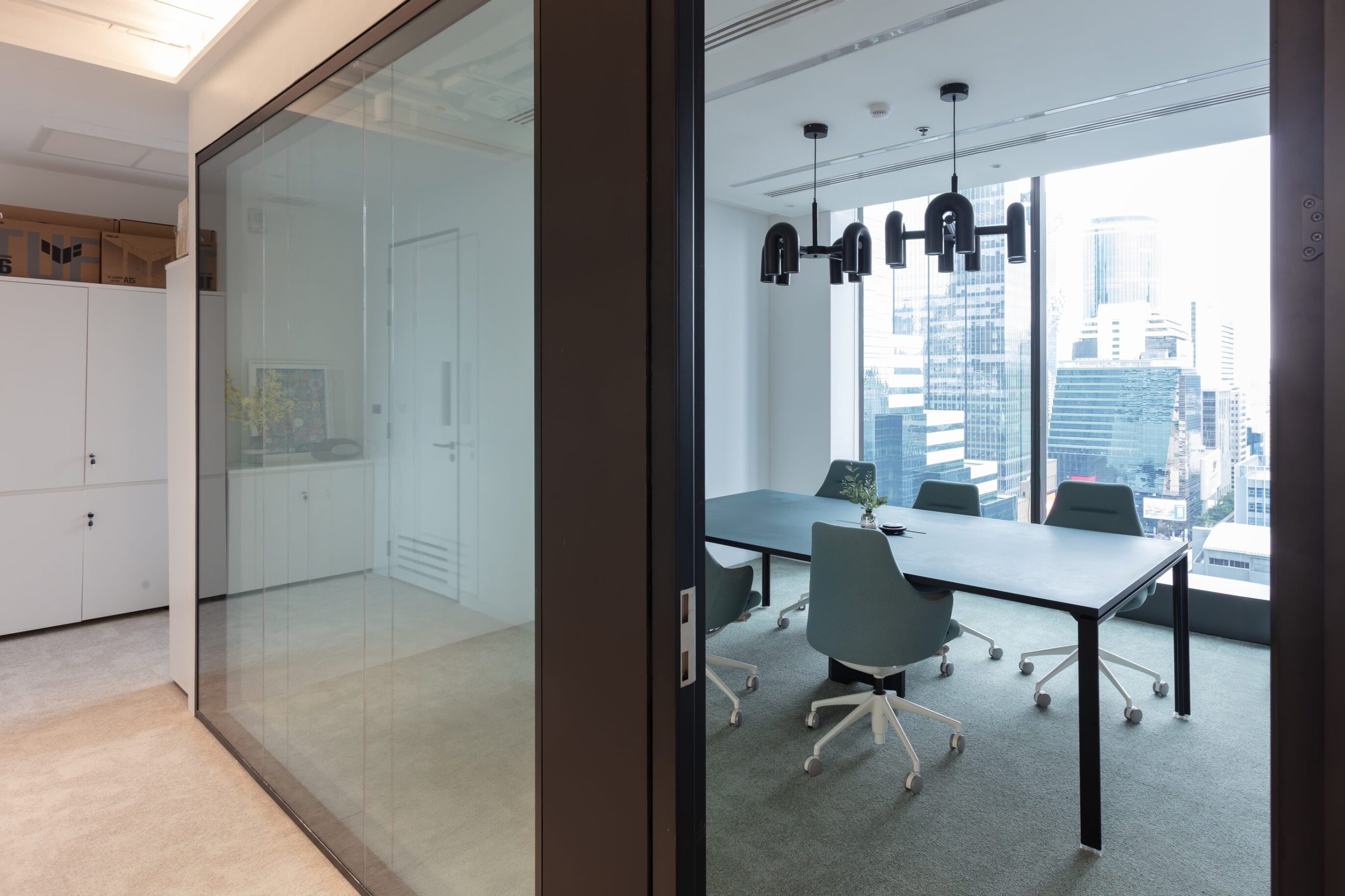
“Look at our own studio, for example. We’re a small team, so why do we have two large meeting rooms? It’s because we often work with large groups through our consulting projects. A single meeting might involve clients, construction teams, designers, and other people who need to work things out together. We need spaces that can accommodate everyone.
“Even the walls of our meeting rooms can fold away, allowing us to use the space for other things, such as training sessions or social activities. It’s really about understanding the culture of the people who use a space and designing around it,” Nichary explains.
People and workplace culture are only part of the picture. Materials also play a big role in how YAAF DESIGN approaches design challenges. Beyond experimenting in its own production facility, the studio works closely with material manufacturers, not just using their products but also sharing ideas that can help take them in new directions.
Piyanut describes the studio’s experience with Feltech’s acoustic panels “Feltech’s acoustic panels stand out for their performance, quality, and smooth finish. But our needs are always changing, so we sometimes ask their engineering team to experiment with new forms and ways of using the products. We’ve asked them to print on both sides, weave, bend, cut, connect, and fold the panels. We want them to try things they haven’t done before.”
It’s a two-way process in which designers and engineers learn from one another. By questioning how materials are usually used, both sides can discover new possibilities and develop better solutions together.
YAAF DESIGN’s projects reflect a principle the studio has held onto from the beginning: “A workplace has to grow with the organization. The way we think about and design a space can’t stay the same or fall behind as the organization evolves.”
But there’s another question worth asking. In a world facing growing environmental challenges, does everything always need to keep expanding and moving forward? How do we know when change is necessary and when it’s time to rethink progress itself?
Looking ahead, Nichary says the studio wants to take a more comprehensive role in helping clients solve workplace challenges.
“We want to become a total-solution partner for our clients. When they need help tackling workplace design challenges from every angle, we want YAAF DESIGN to be the first studio they think of. At the same time, we want to take on more projects internationally. We hope to see a Thai design studio like ours become part of the global design scene. We’ve already taken the first step by opening our branch office overseas,” she says.