CANVAS Space

กรุงเทพมหานคร, ประเทศไทย

Through a large-scale printed acoupanel® installation, Feltech helps bring a Danish landscape to life for CANVAS’s new pop-up space at One Bangkok.

Project
CANVAS Space
Location
Bangkok, Thailand
Client
Sample Client Co.
Interior designer
Sample Design Studio
Area
70 sq.m.
Photography
Sample Studio
Publication date
August 2026

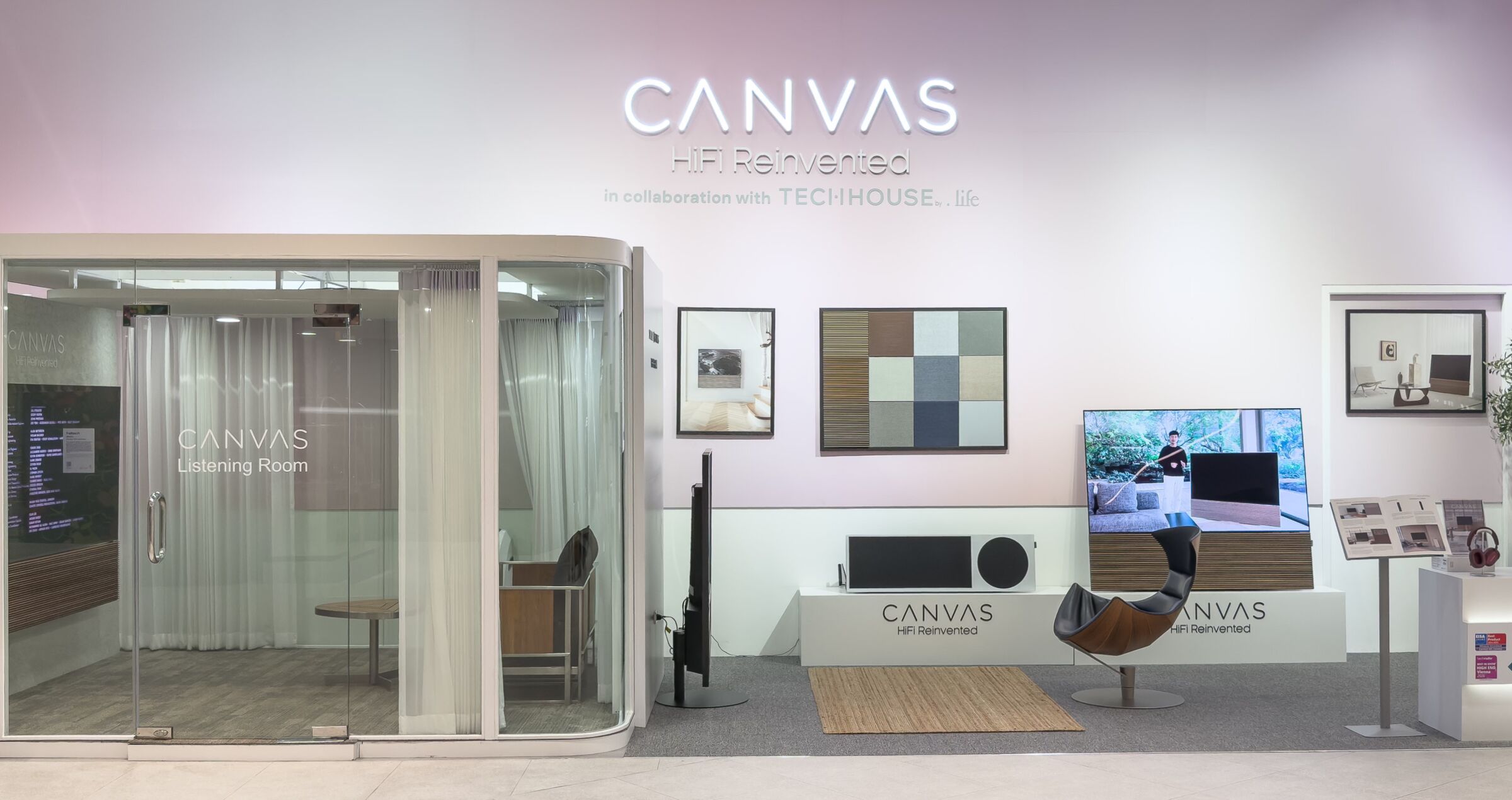
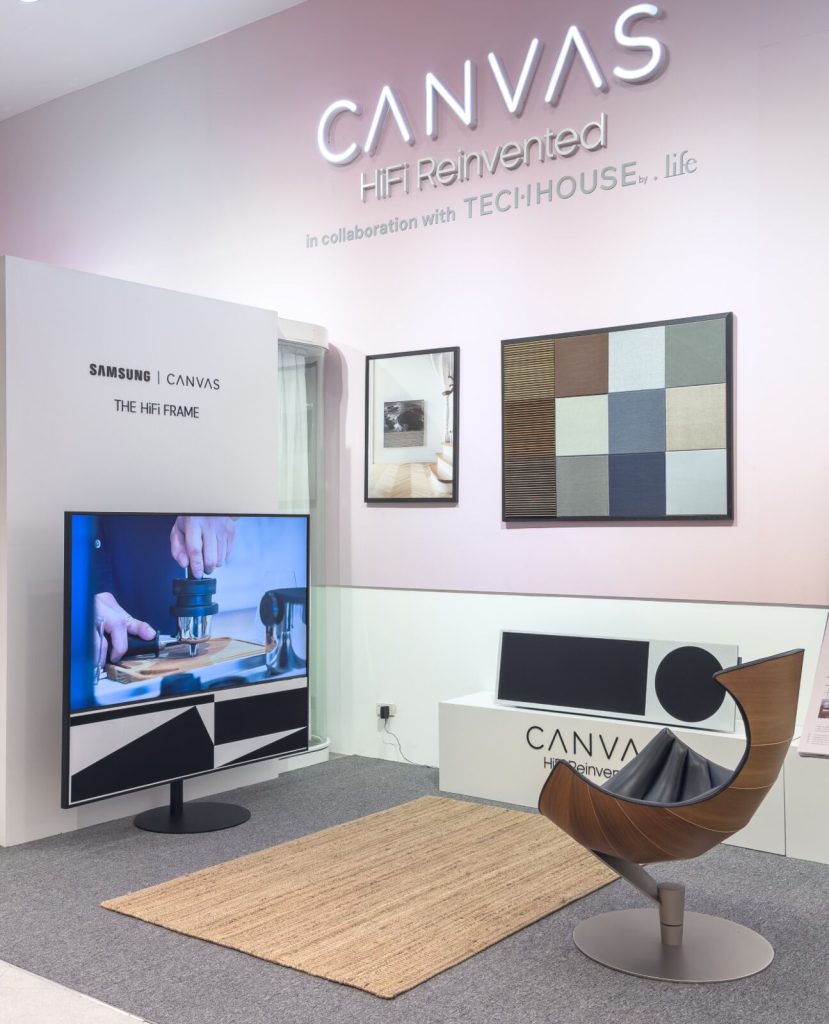
Where Sound Meets Design is the starting point for CANVAS’s new showroom at One Bangkok, conceived as an immersive listening environment where visitors can experience the full potential of high-fidelity sound. The project brings together Feltech and CANVAS, the Danish high-end HiFi brand that considers audio equipment as much a piece of furniture as a technological product. The collaboration is rooted in a shared belief that the best listening experience can only be achieved within the right acoustic environment.

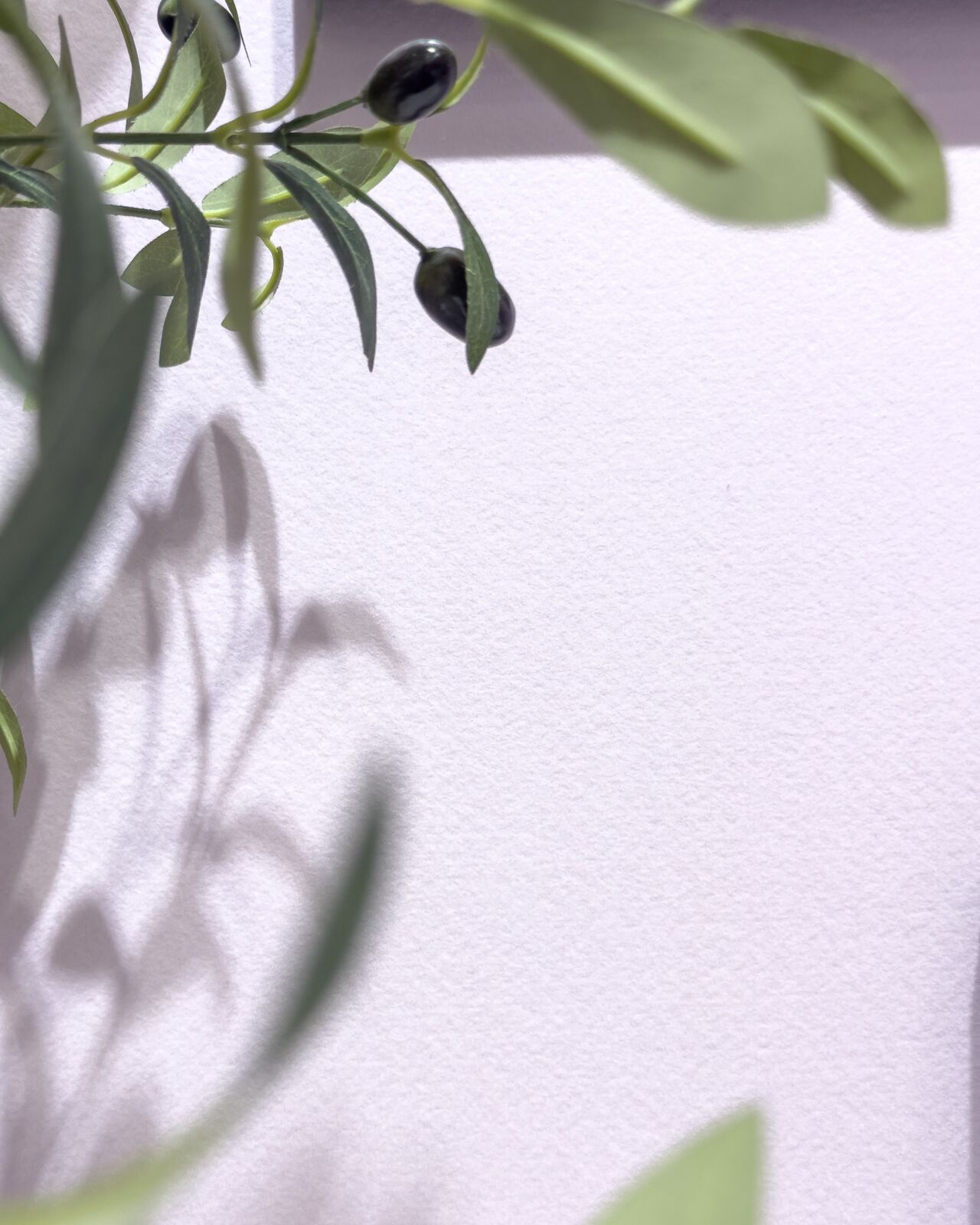
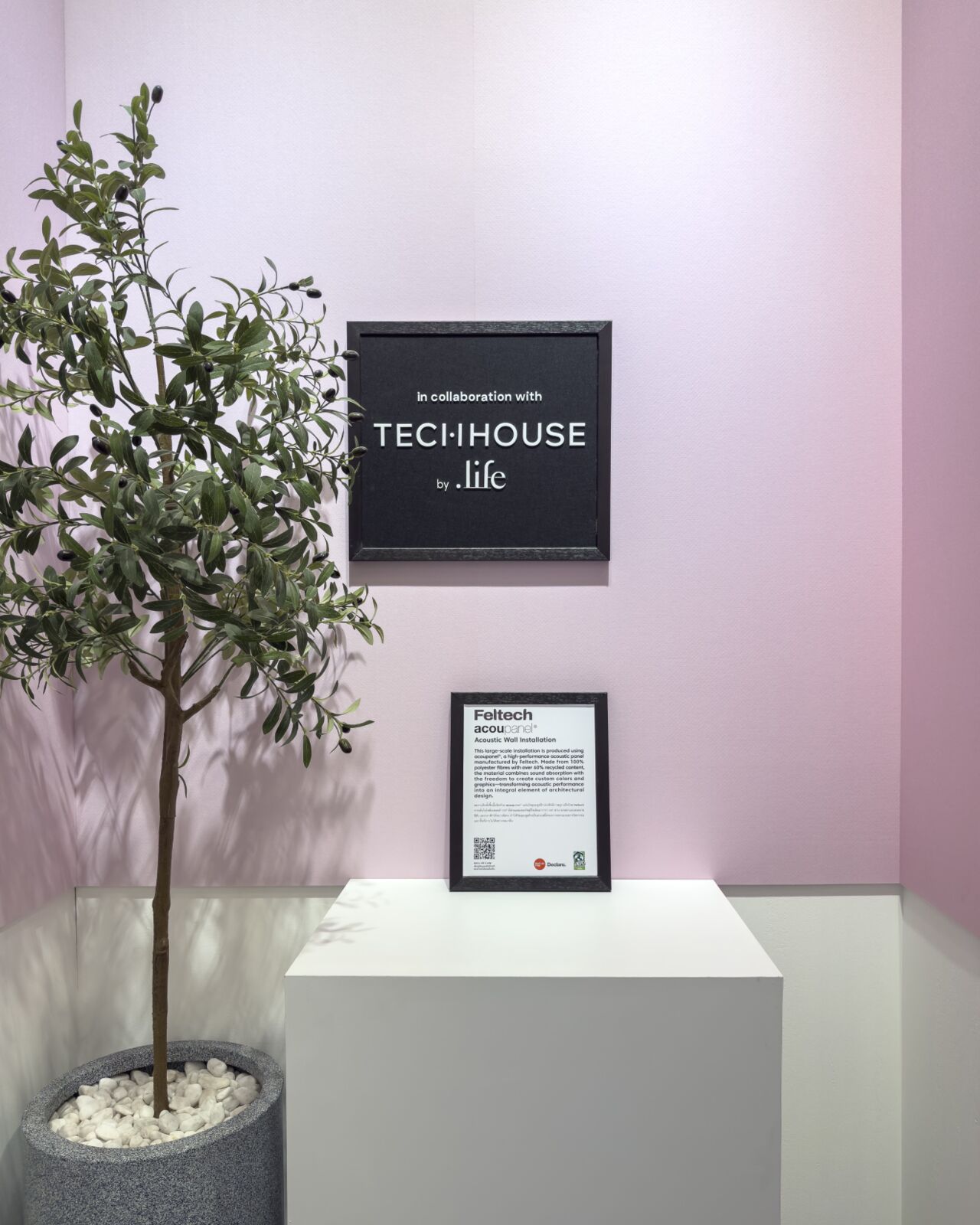
The interior wall colors are inspired by Danish artists and their use of pastel tones to express the mood and beauty of nature. A gradient of shifting colors evokes the changing character of the Danish landscape, creating a sense of movement across the space.

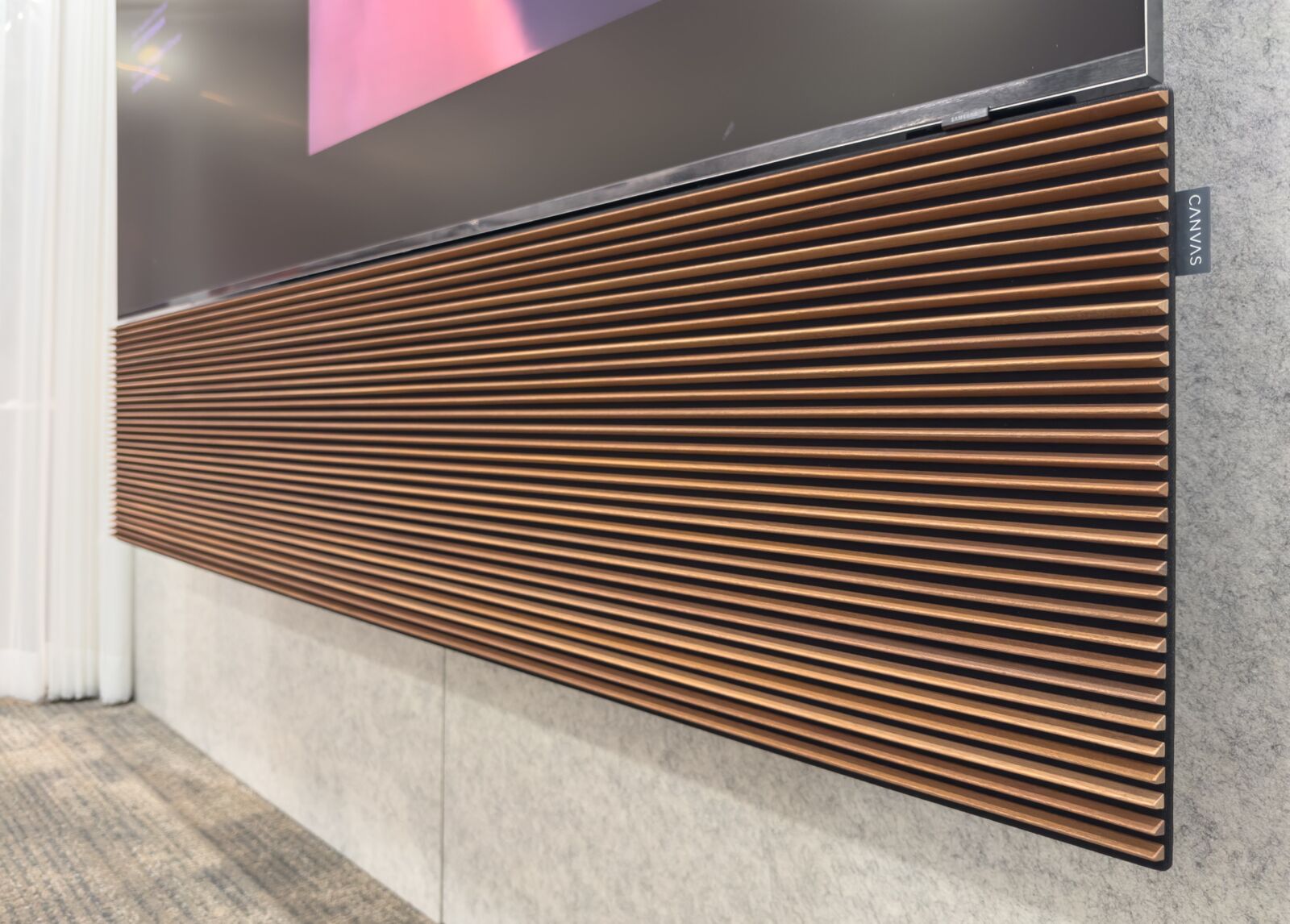
The walls are clad in white Feltech acoupanel®, a 12 mm acoustic panel made from 100% polyester fiber with over 60% recycled content. For this project, Feltech used a custom printing technique to reproduce the landscape design directly onto the acoustic panels. Available in large-format panels up to 1,400 × 3,000 mm, acoupanel® helps minimize the number of joints across the wall. This was particularly important for the light-colored design, where carefully aligned panels let the printed image flow seamlessly across the surface.

The result is a large-scale installation that transforms the acoustic wall into a canvas for the Danish landscape, reinforcing CANVAS’s distinctive design character while serving an important acoustic function. In addition to absorbing sound, reducing reflections, and controlling reverberation, acoupanel® provides the flexibility to become an integral part of an interior’s visual language.

Creating the installation required careful planning of the panel layout and precision in the printing process to keep the joints as seamless as possible and allow the landscape to be experienced as one continuous composition. The project demonstrates how acoustic materials can move beyond their technical role to become part of the architectural and visual experience—bringing together sound, material and design within a single space.